
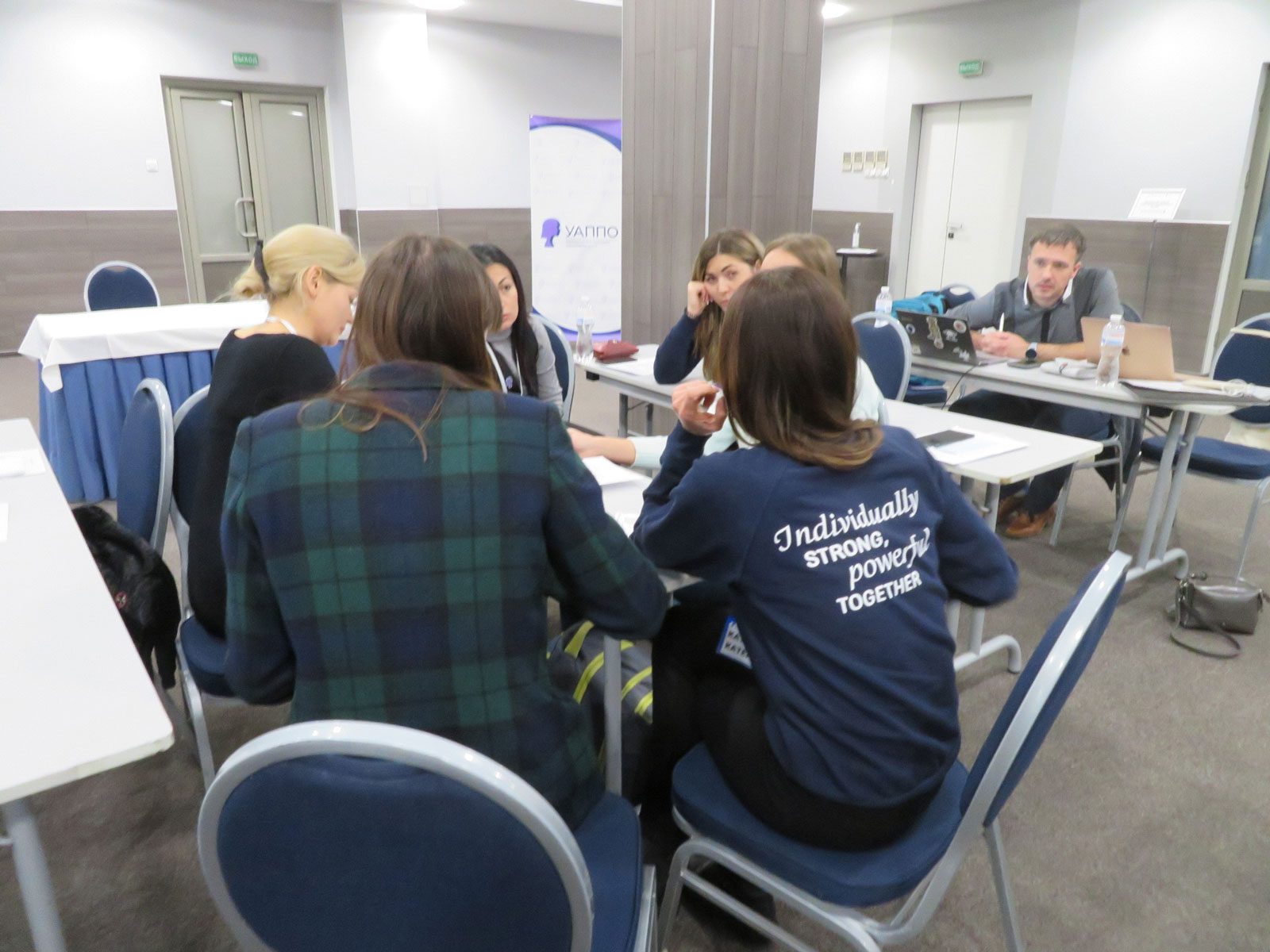
Women’s Networks & Associations

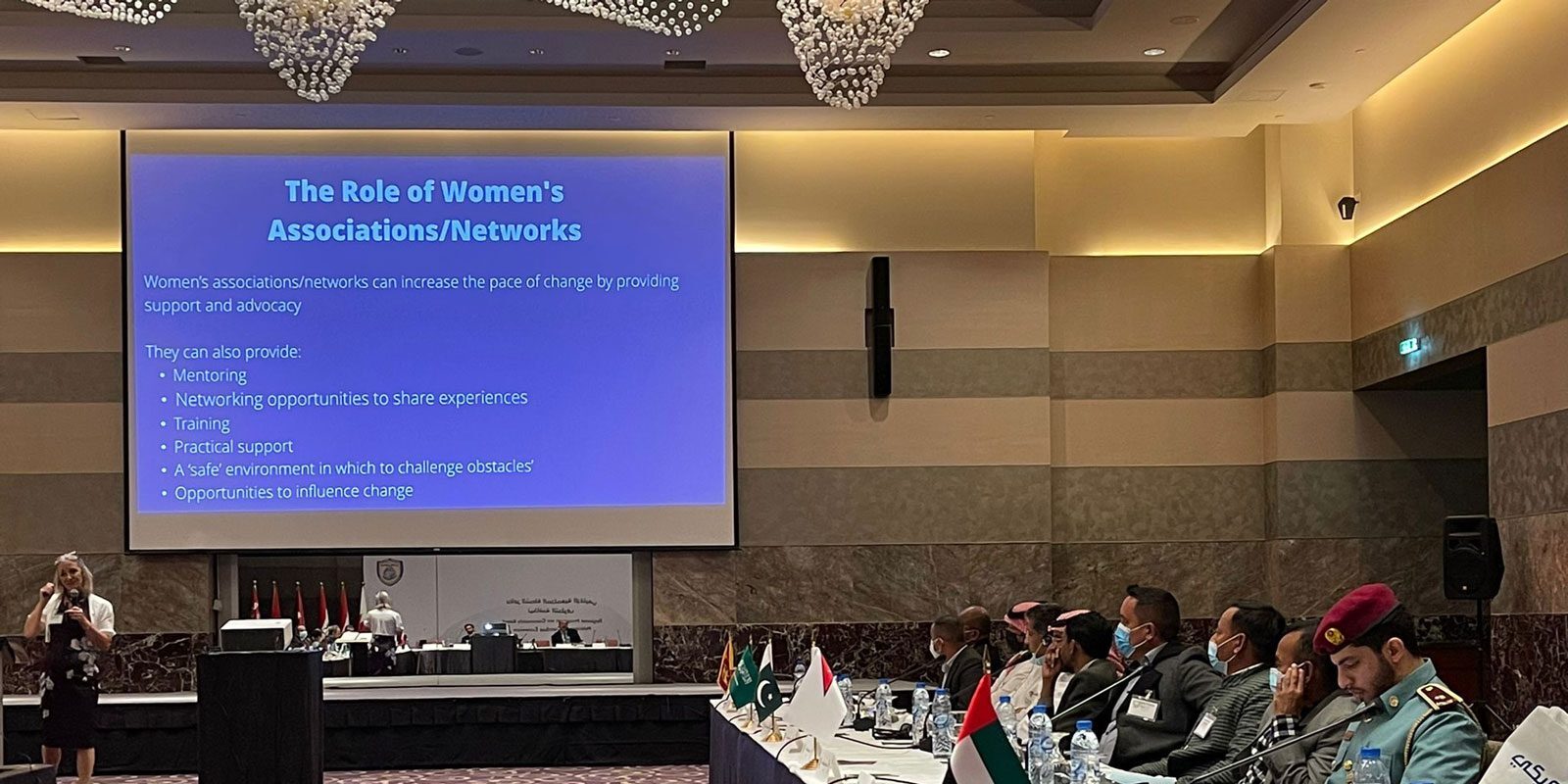
We provide advice and guidance on, as well as facilitate the establishment of women’s networks and associations within a police or security context, including military settings.

Before any network/association is established it is important to understand what is driving its establishment, for example, what do the women themselves want? What does the organisation want? What are the benefits to other stakeholders?

A scoping exercise is therefore conducted which can inform the baseline assessment, and during facilitated workshop(s) following the baseline assessment enabling the sharing of learning from other networks/associations, consider what model may fit the context as ‘one size does not fit all’ and to support ownership by potential network/association members. This It is critical to ensure there is buy-in for the project from the outset.

We have a tried and tested methodology that is a four-stage process:

Where are we now? – A baseline assessment is conducted to understand the current situation for women within the organisation which then enables a gap analysis to be completed to identify solutions and provides a baseline against which to measure performance following the establishment of a network/association.

Where do we want to go? – What is the long-term vison for the network/association? What are the goals that will drive the network/association towards its vision?

How will we get there? – Identify objectives and actions. Objectives being short-term, convert goals into statements that define measurable outcomes. Action items are the specific actions that lead to implementing objectives and include a start and end date, who is responsible for each action and are comprehensive enough to achieve the objectives.

How will we measure success? – It is vital that on-going measurement and reporting on performance is conducted to ensure goals and objectives remain relevant and that actions are being completed to achieve the objectives.

Once a network/association is established training can be developed and delivered on a variety of topics, such as leadership, mentoring and coaching and others deemed relevant to the specific context of the client. Examples of other topics, relevant for networks/associations include but are not limited to:

Advocacy Skills – An introduction to the concept of representing a group or a common cause and knowing when to champion change as a representative of a group versus as an individual. Included are some of the pitfalls of representation to be avoided ensuring a positive outcome.

Negotiating & Influencing – An introduction to techniques that can be used to gain positive outcomes.

Strategy & Policy Development – An introduction to strategy and policy development complementing that of stakeholders, particularly the organisation from which it draws its membership.

Effective Communication – Communicating effectively is vital so networks and associations can ‘sell’ their vision, goals and values and to ‘listen’ to their membership and stakeholders.

Human Rights in a Police & Security Setting – An introduction to Universal Human Rights, as well as regional and local protocols and legal frameworks, within the context of both delivering services to communities and respect for the rights of those working within the security organisation.

Mentoring & Coaching – An introduction to the power and value of role models, mentors and coaches and the difference between them. The relationship between mentor/coach and mentee/coached is examined and discussed.

Partner with Global Experts in Gender-Responsive Policing

Force International brings decades of world-class, UN-recognized expertise in gender-responsive security sector reform, strategy development, and inclusive leadership training directly to your organization.

Ready to transform your service delivery? Leverage our elite global network of researchers, policy makers, and law enforcement practitioners to find the exact specialists for your institutional needs.