

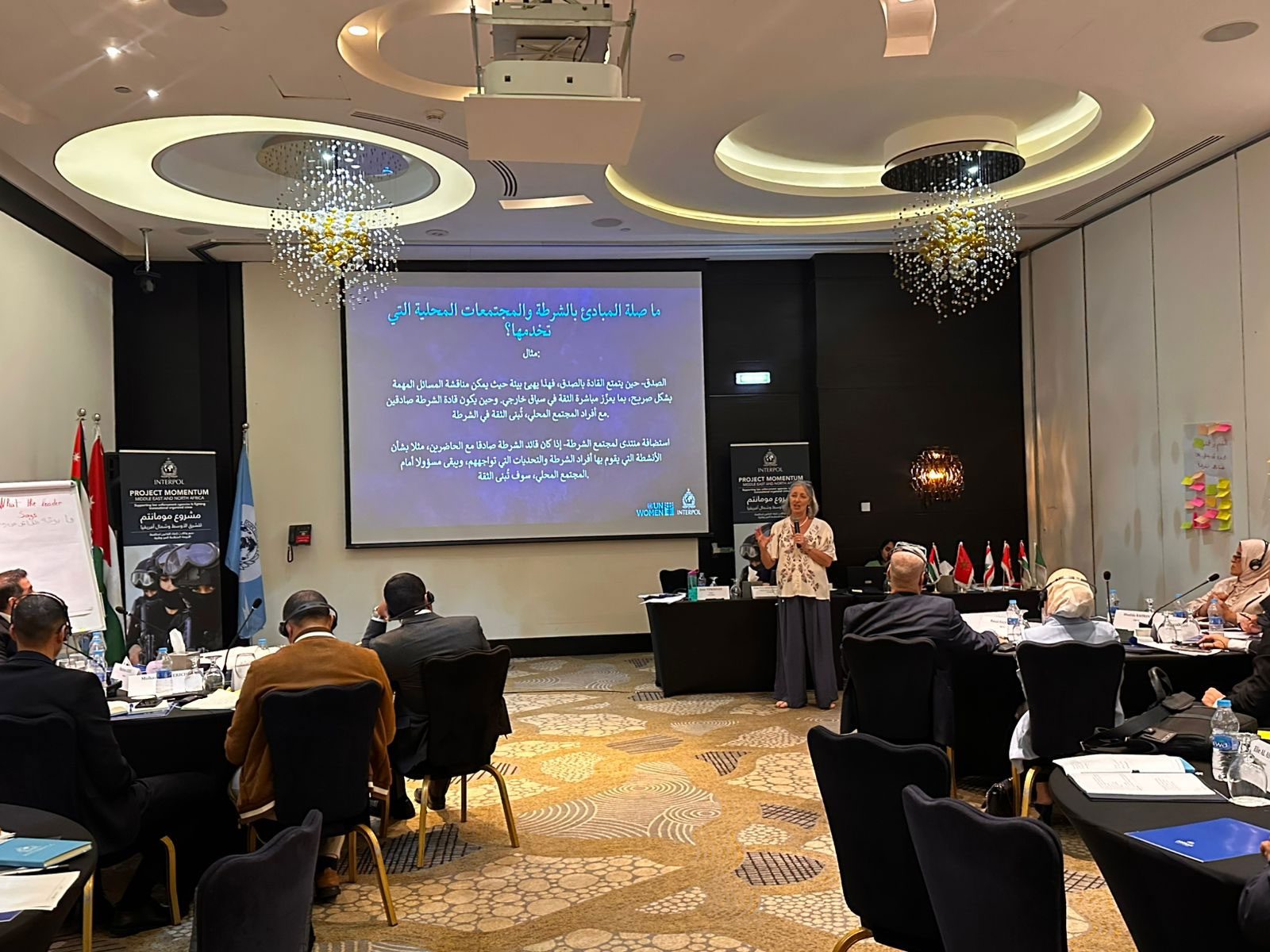

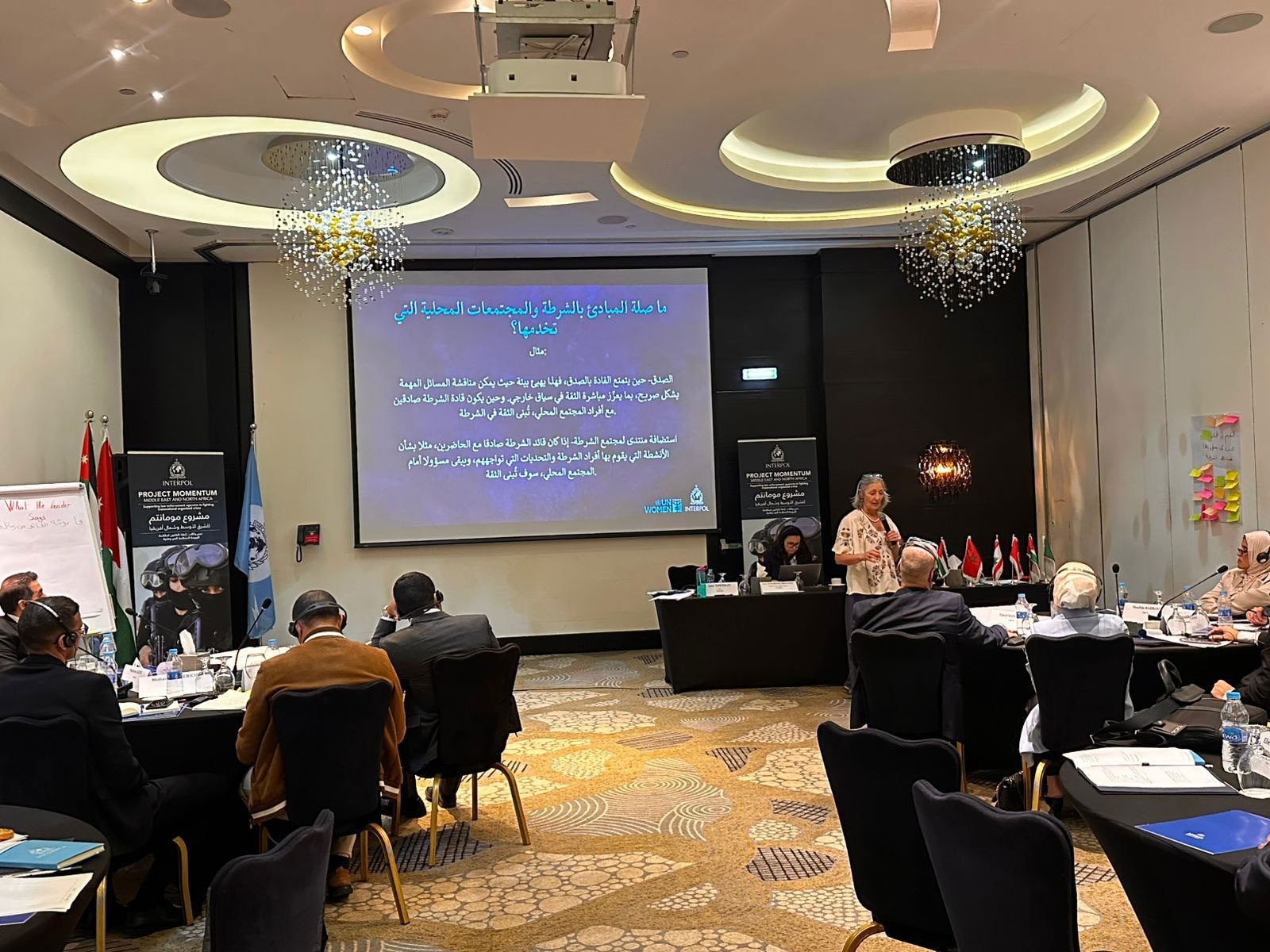
Based on Gender responsive and ethical leadership principles and delivered to male and female leaders enabling them to lead transformational change within policing, by implementing gender responsiveness, thereby ensuring an inclusive police culture.
International Legal & Policy Frameworks – Introduction to international gender legal and policy frameworks, relevance to police/law enforcement and how they influence the national context.
Gender Responsive Policing (GRP) – Gender Responsiveness in an operational context, its importance and benefits for leaders, internal and external stakeholders, the institution and the communities it serves. Explore the strategies, policies and action plans that can enable GRP.
Self-Awareness – An introspective learning opportunity to examine personal values, attitudes and behaviours and how they can impact those being led and identify their expectations of others.
Gender Responsive and Ethical Leadership Principles – Introduction to the principles of both Gender Responsive and Ethical leadership principles and how they complement each other. Define how they can be applied in a police/law enforcement context to enable a gender responsive (inclusive) culture.
Key Gender Terms and Concepts – Understand key gender terms and concepts and their relevance to a police/law enforcement environment. Explore gender misconceptions and how they can influence police/law enforcement practices.
Bias and Stereotypes – Explore gender stereotypes, bias, sexism and misogyny within a police/law enforcement culture and analyse their impact. Identify risks if such attitudes and behaviours are not challenged.
Engaging Men in Culture Change – Explore how policing and security institutions have historically been shaped by men, therefore recognised as a masculine culture and the resulting barriers and challenges for women, and some men that it causes. Understand how men can and should be part of the solution to creating a more diverse, inclusive, and equitable organisation.
Implementing GRP – How to conduct a baseline assessment and a gap analysis against gender responsive policing principles. Identify solutions and explore the process to create an implementation plan to enable change based on identified gaps.
Leading Transformational Change to Enabling a Culture of Inclusivity – Explore the role leaders play in managing change and the importance of a ‘people’ focused (transformational) approach to change.
Monitoring & Evaluation – The importance of consistent and regular monitoring and evaluation of the change process and reporting of outcomes and lessons learned.