
Force International will work with you to assess the current situation for combatting GBV/VAWG, the scope of such an assessment is agreed in collaboration with the client. Following this baseline assessment, we will conduct a gap analysis against the guidance contained within the UN Women Handbook on Gender Responsive Police Services for Women and Girls Subject to Violence and Gender Responsive Policing Principles. A report on the findings together with recommendations for solutions that are relevant to the prevailing context will be developed and delivered.
We will continue to work with you in identifying solutions to address identified gaps, or to strengthen existing policies and processes based on our broad experience in GBV/VAWG and international good practice. We can help you to develop a strategy and measurable action plan to enable the implementation of a gender responsive approach to combatting GBV/VAWG.
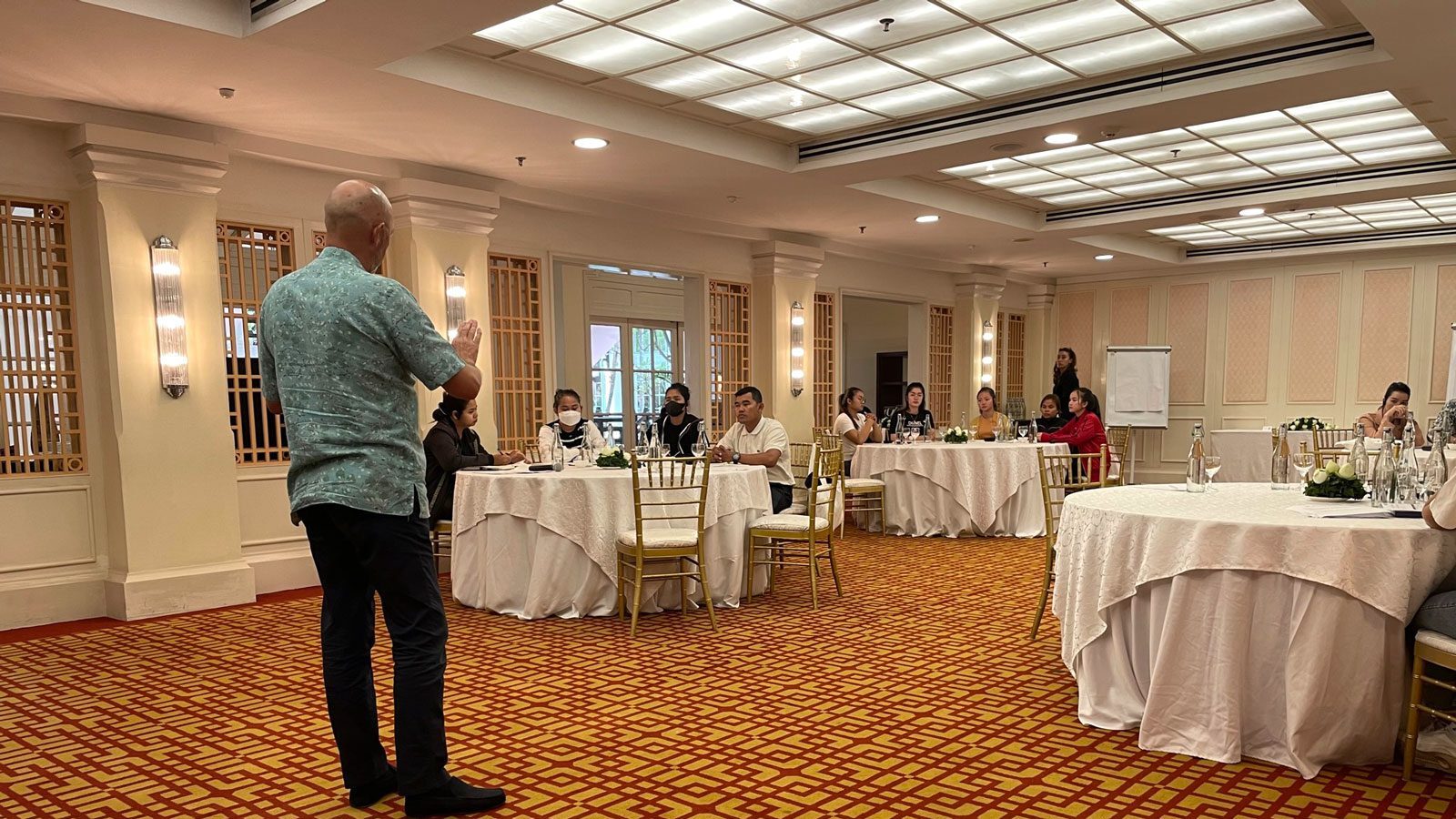
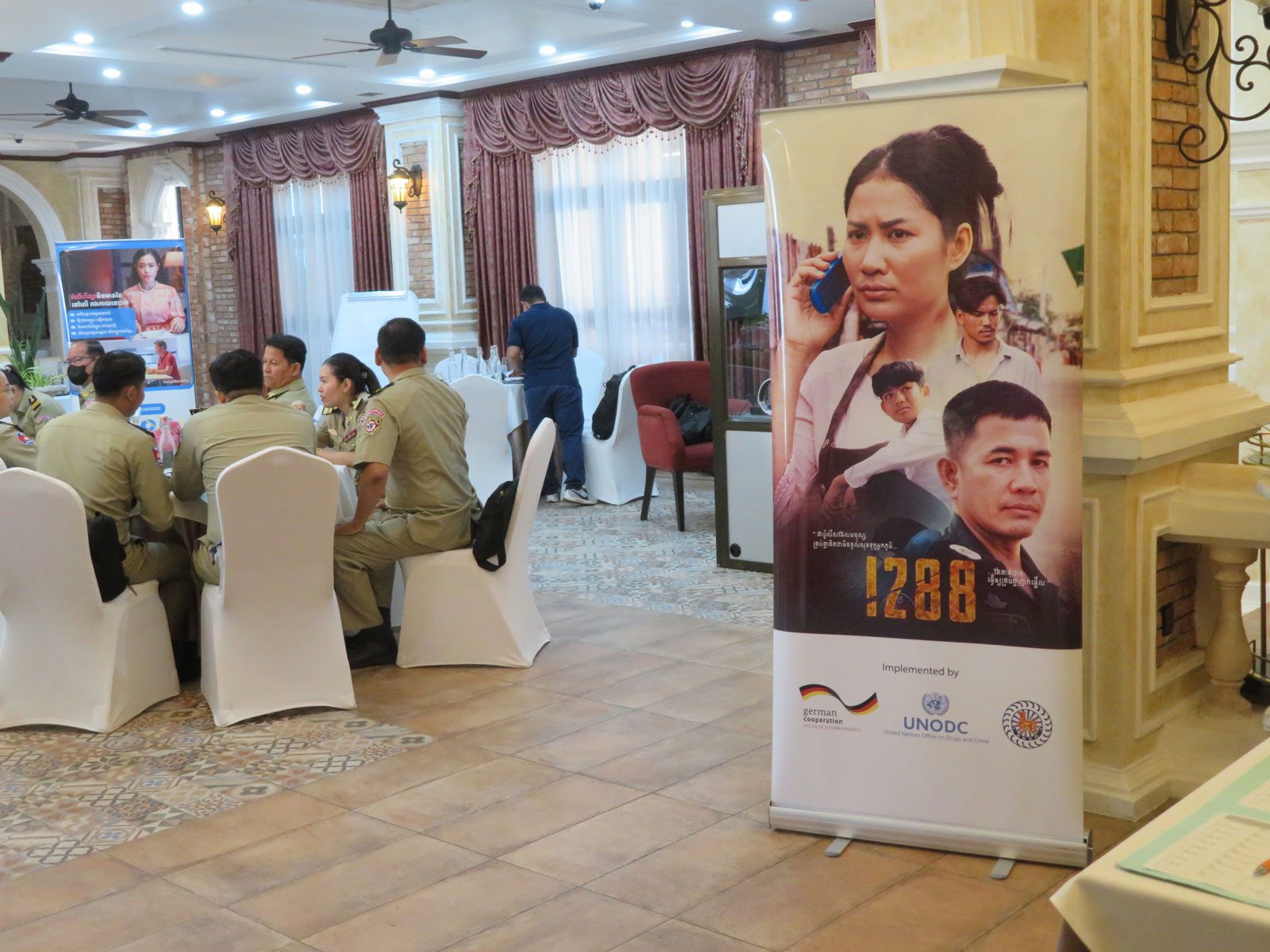
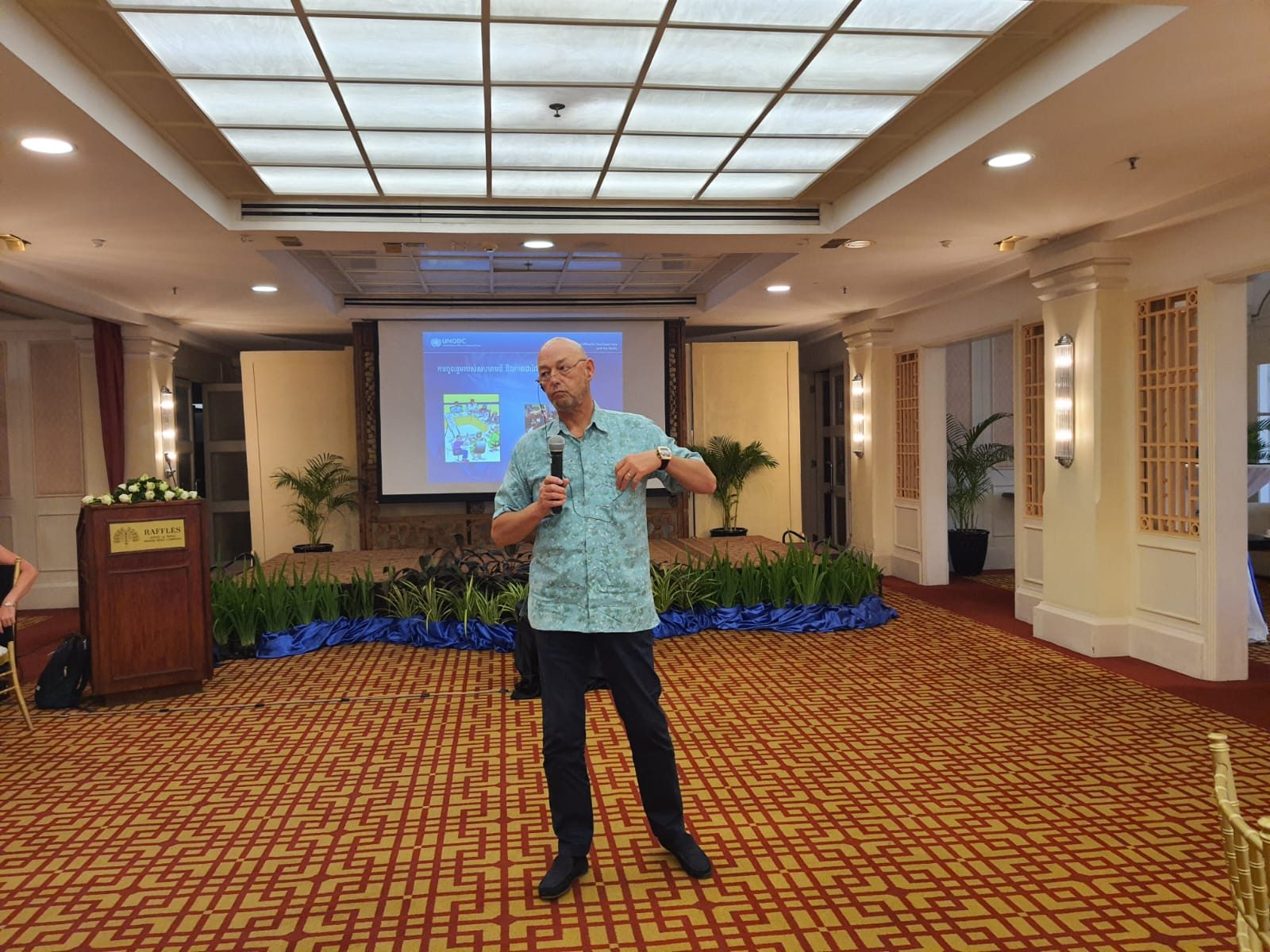
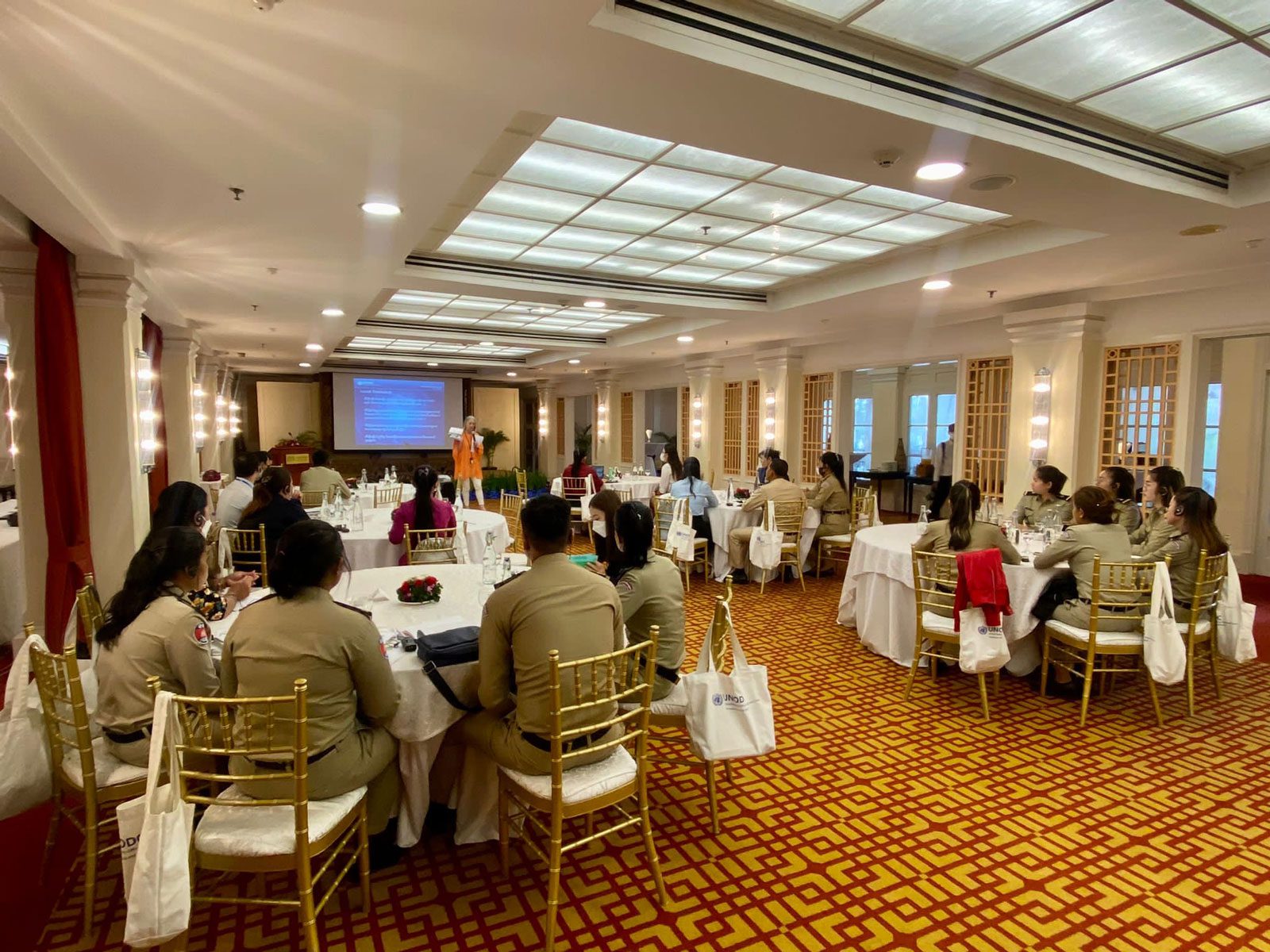
We also develop and deliver bespoke training packages based on the context of the country and available resources for implementation by the client, using experts who have practical experience of working to internationally recognised standards. The training is designed to be as interactive as possible with multiple use of individual and group exercises, including role plays and scenarios to increase learning, test understanding and its practical application.
The training is based on a ‘whole system approach’ to criminal justice, community-based solutions and working with stakeholders. Subjects covered include but are not limited to Domestic/Intimate Partner Violence; Human Trafficking/Modern Day Slavery; Child Protection; Safeguarding; Femicide; Technology Facilitated VAWG; Traditional and Cultural Practices.
Examples of topics that can be covered include, but are not limited to:
Main Concepts – Gender concepts; Gender Responsive Policing; Trauma Informed; Victim Centred Approach; Perpetrator Focused; Meaningful Participation of Victims/Survivors; Intersectionality; Do No Harm;
Prevention – Community Based Solutions to Problem Solving; Stakeholder and Community Engagement; The Trust and Confidence Cycle;
Initial Contact – Impact of Trauma; Minimum Standards for Initial Response; Building Trust and Rapport with the Victim/Survivor; Call Handlers/Dispatchers as 1st responders; How to Provide a Victim/Survivor Centred Approach; Identifying the Different Needs of Victims/Survivors; Defining victims/survivors’, vulnerability, and the impact of intersectionality; Treating Victims/Survivors with dignity and respect;
Investigation – Minimum Standards of Investigation; How to be Perpetrator Focused; Forensic Awareness; Crime Scene Entry/Management; Being Trauma Informed; Investigative Interviewing Techniques; Child victim/survivors and Witnesses; Victim/Survivor’s Meaningful Participation;
Safety and Protection – Risk Assessment and Safety Planning; Protection Measures and other Risk Mitigations; Understanding how to Adapt Approaches to Secure Best Evidence and Provide Safety and Protection of Victims;
Support and Assistance – Identifying Available Victim/Survivor Services; Collaboration with Other Service Providers; Establishing Joint Working Practices;
Coordination Among Justice Agencies – Identifying Justice Partners and Stakeholders; Establishing Joint Working Practices; Establishing Protocols for Data Sharing Between Agencies; Collaborative Networks;
Communication – How to Deliver Effective Communications; Maintaining Contact with the Victim/Survivor; Talking with Children; Cross Agency Communication;