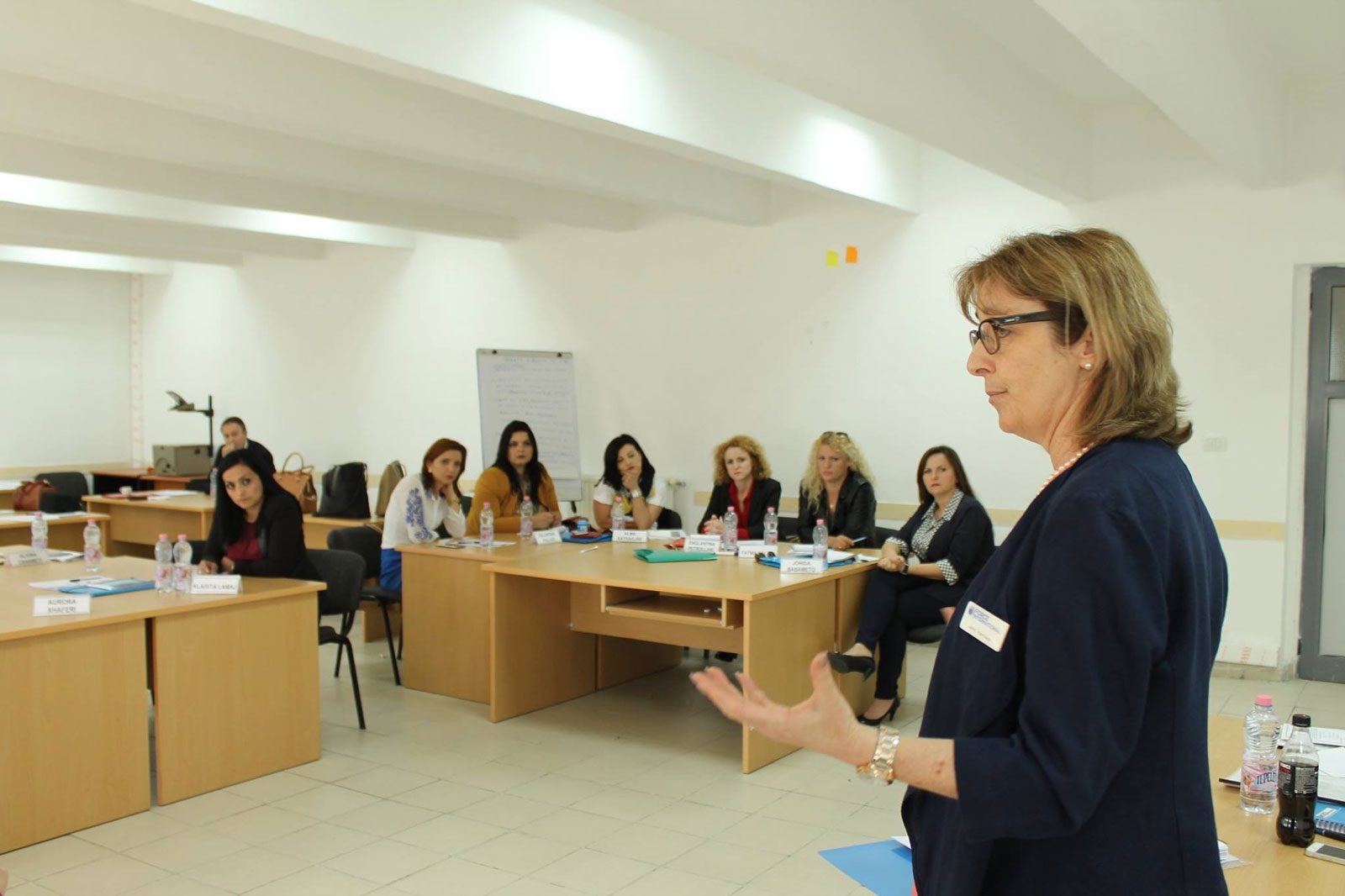
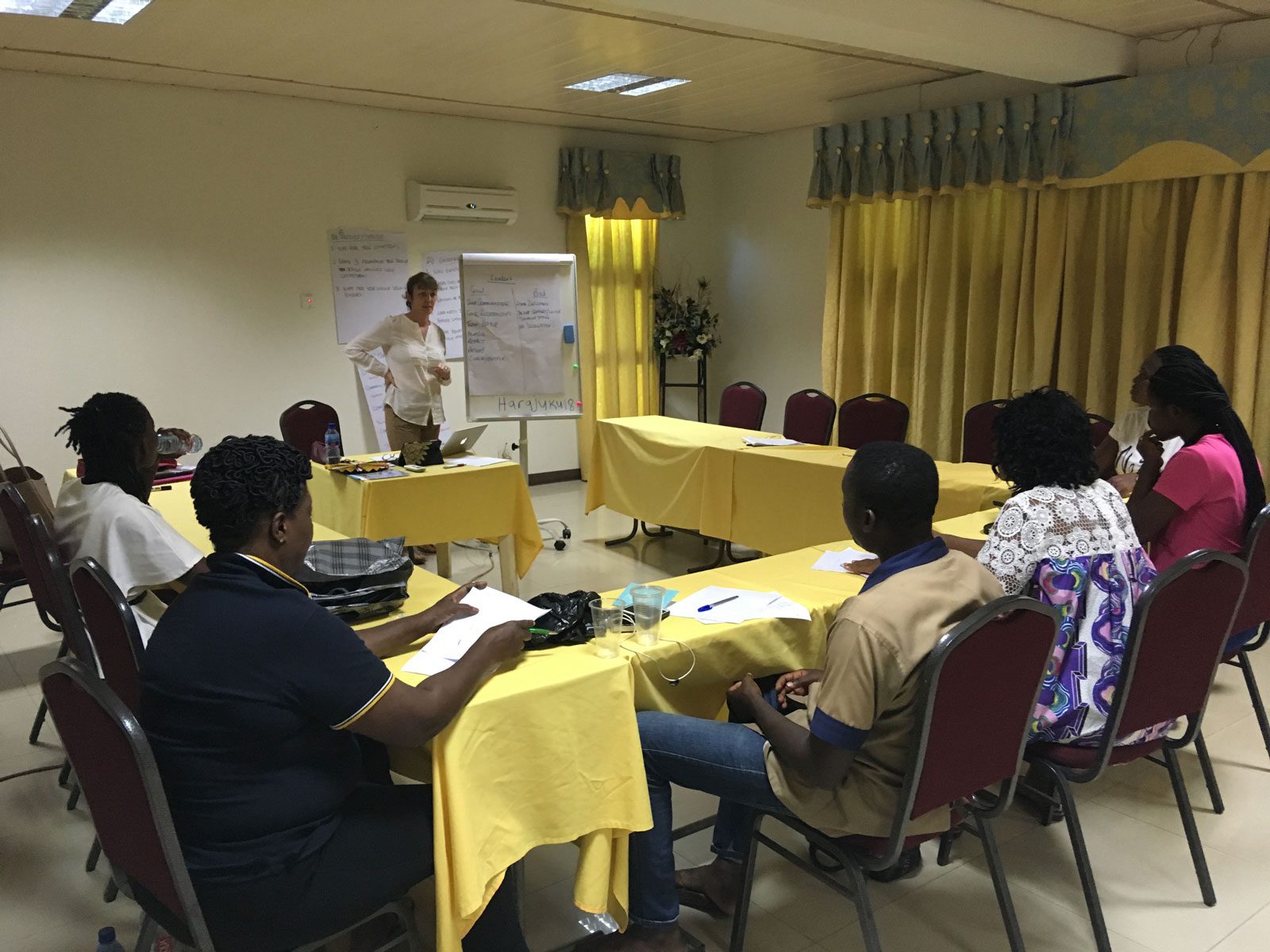
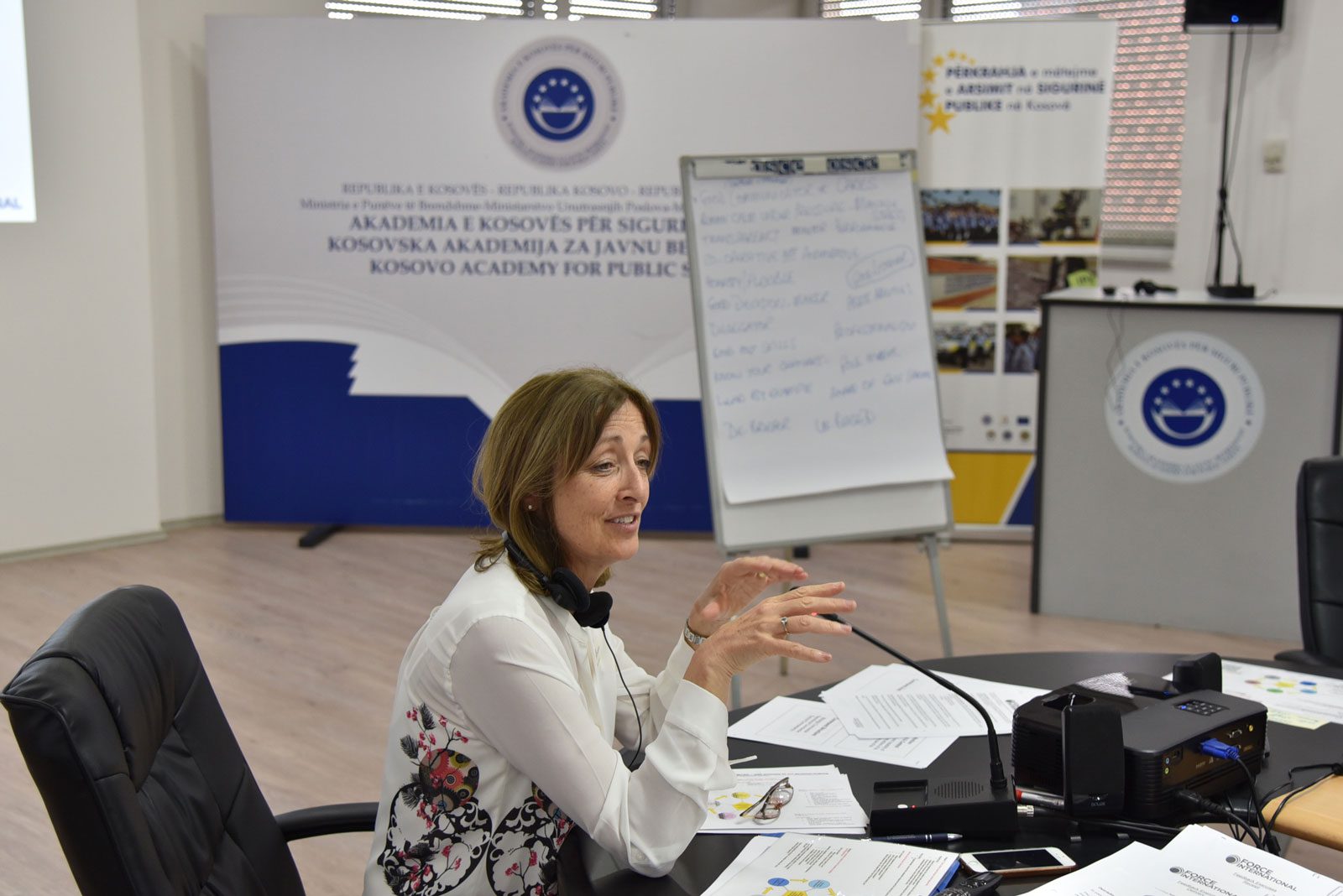
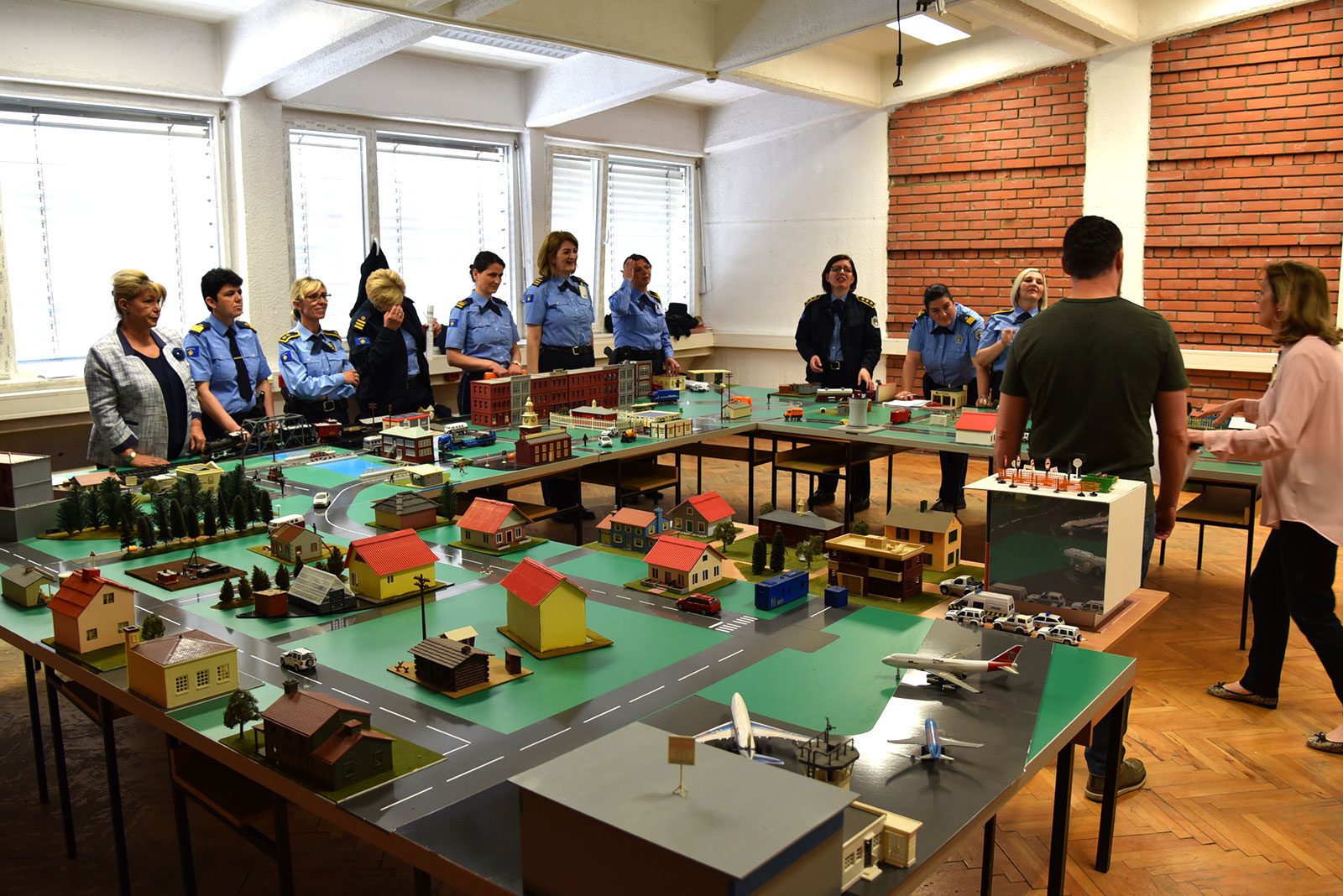
Developed and delivered by former female police leaders who know, through lived experience, what it takes to reach and maintain a leadership position within a male dominated police/ security culture. Sharing their own learning from the challenges they faced and how they overcame them, including coping strategies and providing advice on how to avoid the same pitfalls.
Self-Awareness – Recognise personal strengths & weaknesses identifying areas for development and how to use strengths as an advantage. ‘Personal presence’ is introduced and explored to understand the impact of behaviour on others. Tools are introduced to explore and enhance self-awareness.
Vision & Goal Setting – The difference between a vision and goals and how they link together is explained along with their importance both for personal and organisational performance and development. An introduction to setting and testing of personal visions and S.M.A.R.T. goal setting, identifying short, medium and long-term goals in furtherance of a vision.
Personal Responsibility & Resilience – The importance of taking personal responsibility, what this means and the positive indicators involved. The importance of resilience in leaders, including the ability to make decisions even in difficult circumstances.
Leadership – An exploration of different leadership models and styles, exploring the relationship between leadership styles and development levels, how the two interact and fluctuate due to differing skill sets and situations being faced. The relationship between leaders and followers is identified and discussed along with different traits exhibited by both.
Performance Management – An introduction to performance management, its importance and how to engage staff to ensure positive outcomes. Examples of both good and bad practice are explored to equip leaders to strive for continuous improvement.
Dealing with Conflict – Various techniques to help manage conflict in the workplace are introduced. Emphasis being placed on the importance of resolving problems early before they become much more challenging.
Teambuilding – The benefits of building relationships with team members, peers and networks are explored. The value of inclusivity is explained as well as the importance of delegation to develop individuals and to achieve improved performance for the team. Different types of delegation are introduced and examined to establish their link with different leadership styles.
Motivation – A key leadership skill, will be explored based on the values of the individual’s motivational needs, rather than that of the leaders and managers.
Managing Change – Leaders play an important role in change management and this will be explored from a ‘people’ centred (transformational) approach, avoiding some of the pitfalls often associated with change programs.
Handling Resistance –Techniques to enable resistance to change within organisations to be handled effectively.
Negotiating & Influencing – This is a skill leaders can benefit from immensely, particularly when progressing through a change management process. An introduction to techniques that can be used to gain positive outcomes.
Effective Communication – Communicating effectively is vital so leaders can ‘sell’ their vision, goals and values. It is vital not only to ensure messages are understood but also to enable active listening to those around them, particularly their followers.
Mentoring & Coaching – An introduction to the power and value of role models, mentors and coaches and the difference between them. The relationship between mentor/coach and mentee/coached is examined and discussed.
Feedback – The importance of both giving and receiving honest, evidence-based feedback, in both formal and informal settings is explained.
Time Management – Learning how to prioritise and delegate appropriately to ensure their time is used efficiently and effectively is a key skill for leaders.
Strategic Planning & Policy –The importance of applying a strategic perspective and considering external expectations and influences, particularly those of stakeholders. An introduction to strategy and policy development within an organisational context.
Media Training – An introduction to the importance of meaningful engagement with various forms of media, how it can bring positive benefits and support the building of trust and confidence of the police within local communities. Techniques to maximise the benefits as well as learn the pitfalls to avoid are explored.